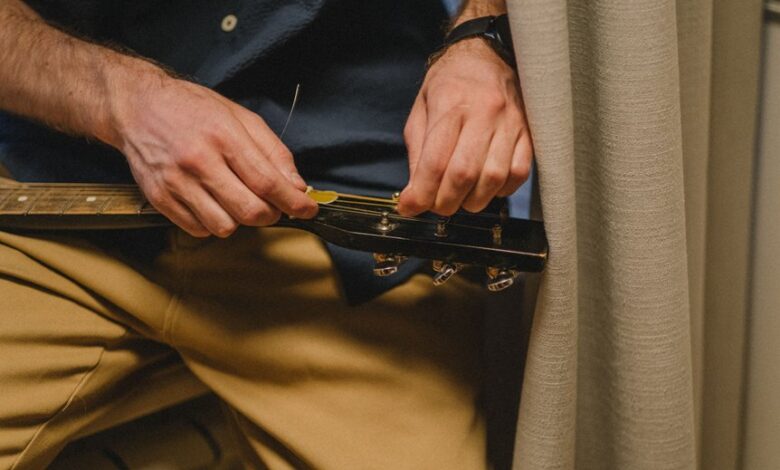
Restringing costs vary by string type, winding, and setup. Material drives the price: steel, phosphor bronze, nylon, and flatwound sit in distinct bands, with premium cores or exotic alloys nudging the total higher. Labor factors include the guitar’s style, hardware, and required intonation or nut work. DIY restringing saves on labor but may miss precise setup. The final bill hinges on material choice, labor time, and any incidental adjustments, and a closer look at the specifics will clarify trade-offs.
How Much Do Different String Types Cost?
Different guitar string types vary in price based on material, construction, and intended use. This assessment reviews cost ranges across common options, noting that exotic alloys or premium cores raise prices. For guitar maintenance, materials influence longevity and tone, affecting overall value.
Steel, phosphor bronze, nylon, and flatwound varieties represent distinct price bands, with roundwound, coated, and signature sets adding modest premiums. String materials drive budgeting considerations.
How Guitar Style Dictates Restringing Price
Guitar style significantly influences restringing price by dictating string type, wound length, and mounting complexity. Different genres and construction favor specific string material and gauge selection, impacting fit and tuning stability.


Precision selects winding counts, ball-end vs. through-body, and nut slot adjustments. Pricing reflects workshop time for compatibility checks, string accommodation, and careful intonation, not merely material cost.
DIY vs Pro: When to Save or Splurge
Deciding between DIY restringing and professional service hinges on risk, time, and desired precision: casual setups or minor adjustments can be tackled at home, while complex installations, unusual setups, or aiming for optimal intonation and stability typically warrant a pro.
DIY costs reflect simplified tasks, whereas Pro services address alignment, nut/saddle work, and advanced winding consistency with higher reliability.
What Affects the Final Bill and How to Save
The final bill for guitar restringing is shaped by several concrete factors beyond the base service rate. Material quality, labor time, and instrument condition modify total cost. Choices such as string type and winding material influence setup rigor and maintenance intervals.string choice and tone impact affect need for nut, tuner, or truss adjustments. Transparent estimates empower practical, freedom-minded decisions.
Frequently Asked Questions
Do Fretboard Cleaning Costs Affect Restringing Price?
Fretboard cleaning typically adds a modest supplement to restringing price, as cleaning requires additional time and materials. The overall cost reflects labor and materials, with fretboard maintenance contributing only a fraction of the total restringing price.
How Often Should You Restring a Non-Playing Guitar?
Restring a non-playing guitar when strings are slack; typically every 6–12 months, or sooner if corrosion or sound change occurs. Consider two word discussion ideas: playing etiquette, pickup compatibility; maintenance intervals depend on humidity, exposure, and instrument integrity.
Do Coated Strings Last Longer and Save Money?
Coated strings last longer and may reduce frequent changes, but price per hour of play varies; coated strings offer a favorable cost comparison for players who practice steadily and value reduced maintenance over time.
How Do Sunrise, Humidity, and Temperature Affect String Life?
Sunrise humidity and temperature influence string life by accelerating corrosion and reducing bronze-core tensile strength; higher humidity accelerates oxidation, heat increases frequency of fret wear, and rapid temperature swings promote metal fatigue, shortening overall string life and performance.
Are Guitar Maintenance Plans Worth It for Restringing?
Restringing frequency is not universally fixed; a maintenance plan value depends on instrument use, environment, and service scope. A formal plan may reduce downtime and ensure consistency, yet individual needs vary, favoring pragmatism over blanket commitments.
Conclusion
Restringing price policies possess practical precision, prompting players to weigh materials, labor, and likelihood of tweaks. Pairing premium phosphor bronze, nylon, or flatwound strings with through-body or ball-end hardware raises rates, while steel strings and standard windings trim costs. Do-it-yourself duties deter labor surges, yet complex setups invite professional polish. Plan for nut slots, intonation, and maintenance intervals, then compare service tiers. Careful budgeting curates consistent tone, confident playability, and clarified cost consciousness, culminating in cost-aware, craft-driven confidence.